What Counts as a Dental Emergency?
A dental emergency is any oral health problem involving severe pain, uncontrolled bleeding, facial trauma, or signs of infection that requires immediate care to save a tooth, stop bleeding, or prevent a serious health complication. Common examples include a knocked-out tooth, a dental abscess, or a fractured tooth exposing the nerve.
Not every dental issue counts as urgent. A chipped tooth without pain, a lost filling that isn’t causing discomfort, or mild sensitivity can usually wait for a scheduled visit at Ariata Dental.
True emergencies, however, need same-day attention. Here’s why:
- Infection can spread. An untreated abscess can move into the jaw, sinuses, or bloodstream and become life-threatening.
- Time-sensitive tooth loss. A knocked-out permanent tooth has the best chance of survival if replanted within about an hour of the injury.
- Uncontrolled bleeding. Bleeding that won’t stop after 10-15 minutes of firm pressure needs professional care.
- Trauma to the mouth or jaw. Injuries from falls, sports, or accidents may involve fractures that aren’t visible from the outside, which is why a hands-on exam matters so much.
If you’re ever unsure whether your symptoms qualify, call Dr. Hosseini and our team. It’s always better to check than to wait, since a short phone call can settle your worries or point you toward the care you need.
How to Tell If Your Symptoms Are an Emergency
You can tell if your dental symptoms are an emergency by checking four warning signs: severe or worsening pain, facial or gum swelling, bleeding that won’t stop after 10-15 minutes of pressure, and any fever or difficulty breathing or swallowing. If you notice any of these, call your dentist right away rather than waiting for a scheduled visit.
Here’s how to quickly assess what you’re experiencing:
- Rate your pain. Pain that disrupts sleep, prevents eating, or gets worse hour by hour is a red flag. Throbbing pain often signals nerve involvement or infection.
- Look for swelling. Puffiness in your cheek, jaw, or gums, especially with warmth or redness, can mean an active infection.
- Check bleeding. Apply firm, steady pressure with clean gauze for 10-15 minutes. If bleeding continues, you need urgent care.
- Watch for whole-body symptoms. Fever, chills, trouble breathing, or difficulty swallowing mean the infection may be spreading. Go to the ER or call 911 if breathing is affected.
- Consider the timeline. Symptoms that come on suddenly and severely usually need faster action than a slow-building ache.
Mild symptoms, like a dull ache that comes and goes, brief cold sensitivity, or a small chip without pain, often don’t require emergency care. You can manage these at home for a day or two and book a regular visit.
When something feels off but you’re not sure, trust your instincts and call. Dr. Hosseini would rather answer a quick question than see a preventable problem get worse.
Signs a Dental Problem Is an Emergency: Call Right Away
Some symptoms shouldn’t wait until morning. You need to contact Ariata Dental immediately if you have severe unrelenting pain, a knocked-out permanent tooth, a fractured tooth with exposed nerve, an abscess with swelling or fever, uncontrolled bleeding, or a jaw injury. Each of these signals a problem that can worsen fast without prompt care.
- Severe, persistent toothache that isn’t relieved by over-the-counter medication like ibuprofen or acetaminophen. This often points to a deep infection or nerve damage.
- Knocked-out (avulsed) permanent tooth. Time matters here. Try to reinsert the tooth into its socket if possible, or store it in milk or saline. Getting to Dr. Hosseini within about an hour gives the tooth the best chance of survival.
- Badly cracked or fractured tooth with visible nerve exposure or sharp pain when breathing in cold air. A fracture that reaches the pulp can quickly lead to infection.
- Dental abscess with pus, a pimple-like bump on the gum, a bad taste in your mouth, swelling, or fever. Abscesses are infections that need prompt treatment before they spread.
- Loose or partially dislodged permanent tooth. Even if the tooth is still in the socket, trauma can damage the ligament and blood supply. Quick care improves the chance of saving it.
- Uncontrolled bleeding after an extraction, injury, or bite to the tongue or lip that doesn’t stop with sustained pressure.
- Facial swelling that affects breathing or swallowing. This is a medical emergency. Go to the nearest ER.
- Broken jaw or suspected fracture from a fall or impact. Stabilize the jaw and seek immediate care.
Children face many of the same emergencies as adults, but knocked-out baby teeth are handled differently; don’t try to reinsert them. Call our office for guidance instead, and we’ll walk you through the safest next step for your child.
Emergency vs. Non-Emergency Dental Problems
Not every dental problem is a crisis. Knowing the difference helps you get the right care at the right time without unnecessary stress or expense. The team at Ariata Dental uses the same guidance below to help families sort urgent situations from those that can wait.
| Symptom or Situation | Emergency? | What to Do |
|---|---|---|
| Knocked-out permanent tooth | Yes | Call within about an hour |
| Severe pain with swelling or fever | Yes | Call immediately |
| Uncontrolled bleeding | Yes | Call or visit ER |
| Cracked tooth with nerve exposure | Yes | Same-day visit |
| Dental abscess | Yes | Same-day visit |
| Lost filling, no pain | No | Schedule a routine visit |
| Small chip, no pain | No | Book within a few days |
| Mild sensitivity to cold | No | Monitor, schedule routine care |
| Dull, occasional ache | No | Book a regular visit |
| Broken orthodontic wire (no injury) | No | Cover with wax, schedule soon |
A lost crown that isn’t painful can typically wait a few days. Save the crown if you have it, and avoid chewing on that side.
Mild sensitivity often responds to desensitizing toothpaste and doesn’t require urgent care. If it worsens or lingers, though, it’s worth booking a visit sooner.
When in doubt, call. It takes just a minute for our team to help you decide the next step, and we’re here to make you smile whether the issue is big or small.
What Affects the Cost of Emergency Dental Care?
The cost of emergency dental care depends on the type and severity of the problem, whether you need diagnostic imaging, whether treatment is temporary or permanent, and your insurance coverage. Simple stabilization typically costs less than full restoration, and prompt care almost always costs less than treating complications later.
Several factors shape your final bill:
- The procedure needed. A tooth extraction, root canal, crown repair, and abscess drainage each carry different fees.
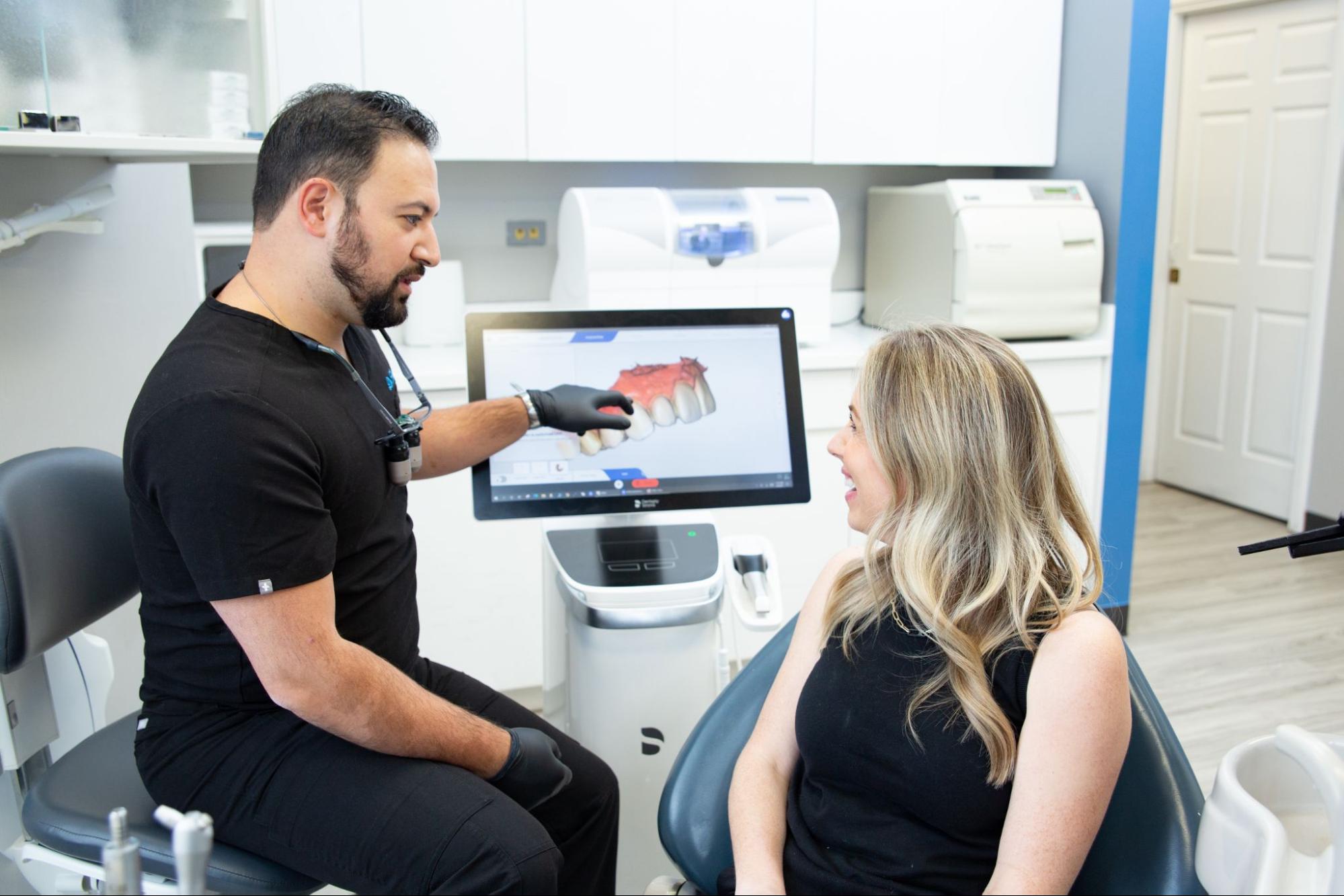
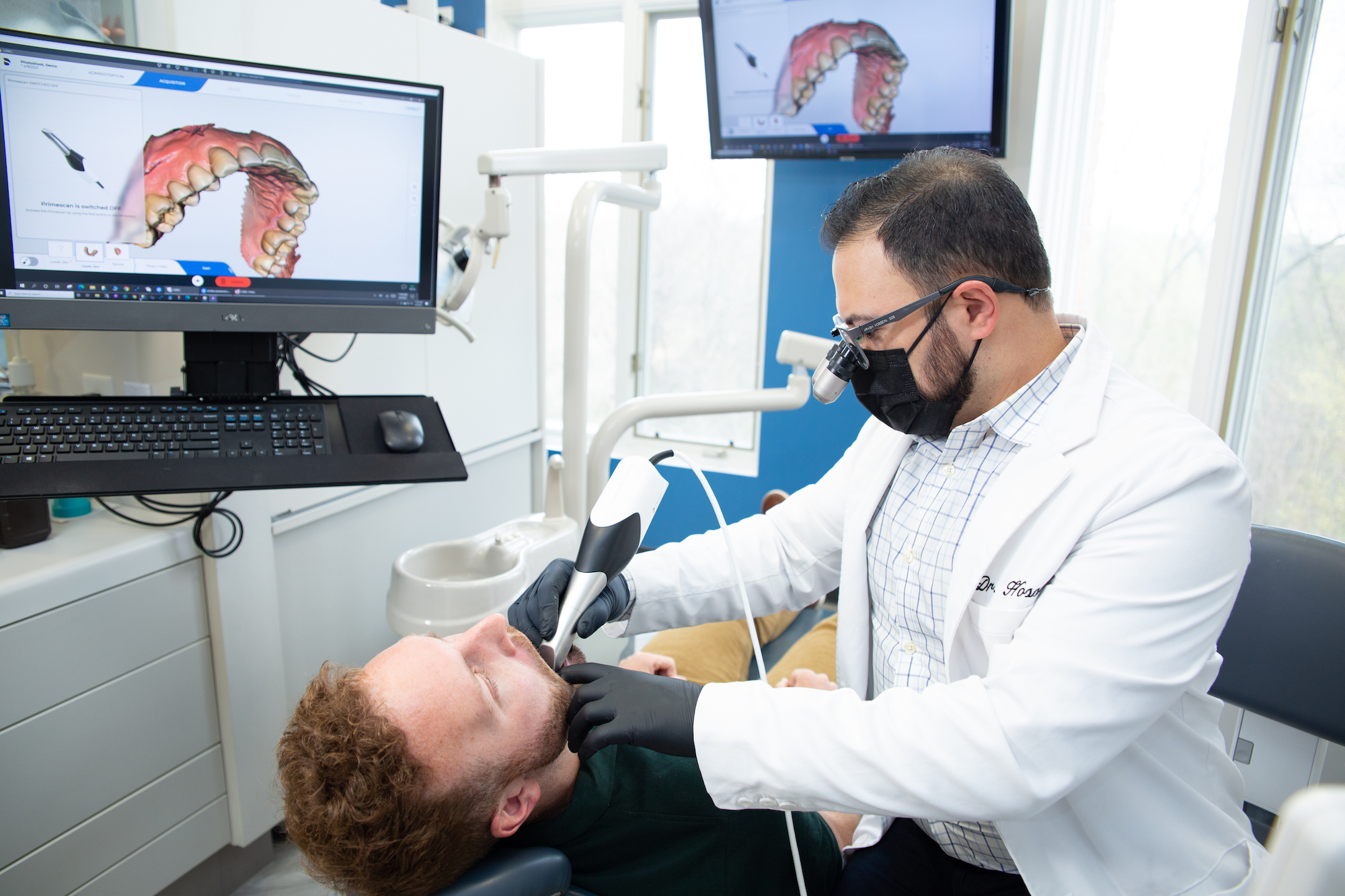
- Diagnostic imaging. Many emergencies require 3D dental imaging so Dr. Hosseini can see exactly what’s happening beneath the surface.
- Temporary vs. definitive treatment. Sometimes we stabilize the tooth first, then complete the full restoration at a follow-up visit.
- Materials and lab work. In-house CEREC crown and veneer fabrication can shorten timelines and reduce lab fees compared with traditional methods.
- Your insurance plan. Coverage for emergency services varies. We’re happy to check your benefits before treatment begins.
Waiting rarely saves money. A small cavity left untreated can turn into a root canal or extraction, and a minor infection can become a hospital visit. No insurance? No problem! Ariata Dental offers payment options and an insurance checker to help make care affordable when you need it most, so cost never has to stand between you and relief.
Emergency Dental Care in Gurnee and Nearby Mundelein
If you are looking for a Gurnee dentist for urgent dental pain, Ariata Dental provides same-day guidance and personalized care for patients in Gurnee and nearby communities. Our team supports patients looking for general dentistry, dental services, cleanings and exams, and urgent treatment when symptoms cannot wait.
For patients searching for a dentist near Mundelein, IL, our Gurnee office is nearby and available to help with tooth pain, swelling, broken teeth, and other urgent dental concerns. We also provide oral surgery, restorative dentistry, crowns and bridges, and dental implants when a damaged or painful tooth needs more advanced care.
Not sure whether you need emergency care, a routine exam, or a new patient visit? Start with our new patients page, book an appointment, or contact us so our team can help you choose the right next step.
When Should You Seek Emergency Care vs Wait?
Use this quick guide to decide whether to call now or book a regular visit:
Seek emergency care right away if you have:
- A knocked-out permanent tooth (act within about an hour)
- Uncontrolled bleeding after trauma or extraction
- Facial swelling, fever, or a spreading infection
- Difficulty breathing or swallowing (call 911 or go to the ER)
- Severe pain that isn’t controlled by OTC medication
- A jaw injury or suspected fracture
It’s usually safe to wait and schedule a visit if you have:
- A small chip with no pain
- A lost filling or crown without discomfort
- Mild tooth sensitivity
- A dull ache that comes and goes
- A broken orthodontic bracket without soft-tissue injury
Children need extra attention. A knocked-out permanent tooth in a child is a true emergency, but knocked-out baby teeth should not be reinserted. Any facial injury from sports or a fall deserves a quick evaluation.
If you’re unsure, call Ariata Dental. Dr. Hosseini and our team can walk you through the symptoms over the phone and help you decide the safest next step. When it comes to your smile, guessing wrong can cost more than a quick phone call. Our team brings advanced training and high-tech tools like 3D dental imaging and the Solea dental laser to every emergency visit, so you can expect quick, painless care when it counts. Whether you need same-day help for a knocked-out tooth, an abscess, or severe pain, our boutique dental office is here to help you feel comfortable and cared for.
Frequently Asked Questions
Is a toothache always a dental emergency?
Not always. A mild or occasional ache can often wait for a scheduled visit. But a severe, throbbing toothache that keeps you up at night, radiates to your jaw or ear, or comes with swelling or fever is an emergency. These symptoms often signal infection or nerve involvement and need prompt care from Dr. Hosseini.
What should I do if my tooth gets knocked out?
Act fast. Pick up the tooth by the crown (the chewing surface), not the root. Rinse it gently with water if it’s dirty, and try to place it back in the socket. If that’s not possible, store it in milk, saline, or your saliva, and get to the dentist within about an hour. The sooner the tooth is replanted, the better the chance of saving it.
How do I know if a tooth infection is serious?
Warning signs of a serious infection include facial swelling, fever, a bad taste in your mouth, pus around the gums, and pain that spreads to the jaw, ear, or neck. Difficulty breathing or swallowing means the infection may be spreading; this is a medical emergency and needs immediate care.
Can a cracked tooth wait until morning?
It depends on the crack. A hairline chip with no pain can usually wait. But a deep crack with sharp pain, sensitivity to air or temperature, or visible nerve exposure needs urgent attention. Cover the area with dental wax or sugarless gum for protection, avoid chewing on that side, and call your dentist first thing.
How long can I wait to treat a dental abscess?
An abscess should never wait. It’s a bacterial infection that can spread to your jaw, sinuses, or bloodstream within days. Even if the pain temporarily eases (which sometimes happens when an abscess drains on its own), the infection is still active. Call Ariata Dental as soon as you notice pus, swelling, or a pimple-like bump on the gum.
What can I do for pain until I see a dentist?
Rinse with warm salt water, apply a cold compress to the outside of your cheek in 20-minute intervals, and take over-the-counter pain relievers like ibuprofen or acetaminophen as directed. Avoid chewing on the affected side, skip very hot or cold foods, and keep your head elevated when lying down. These steps can ease discomfort, but they don’t replace a professional exam.
If you think you’re having a dental emergency, don’t wait to reach out. Book an appointment or contact Ariata Dental so Dr. Hosseini and our team can take care of you.