What Is a Pediatric Dental Visit?
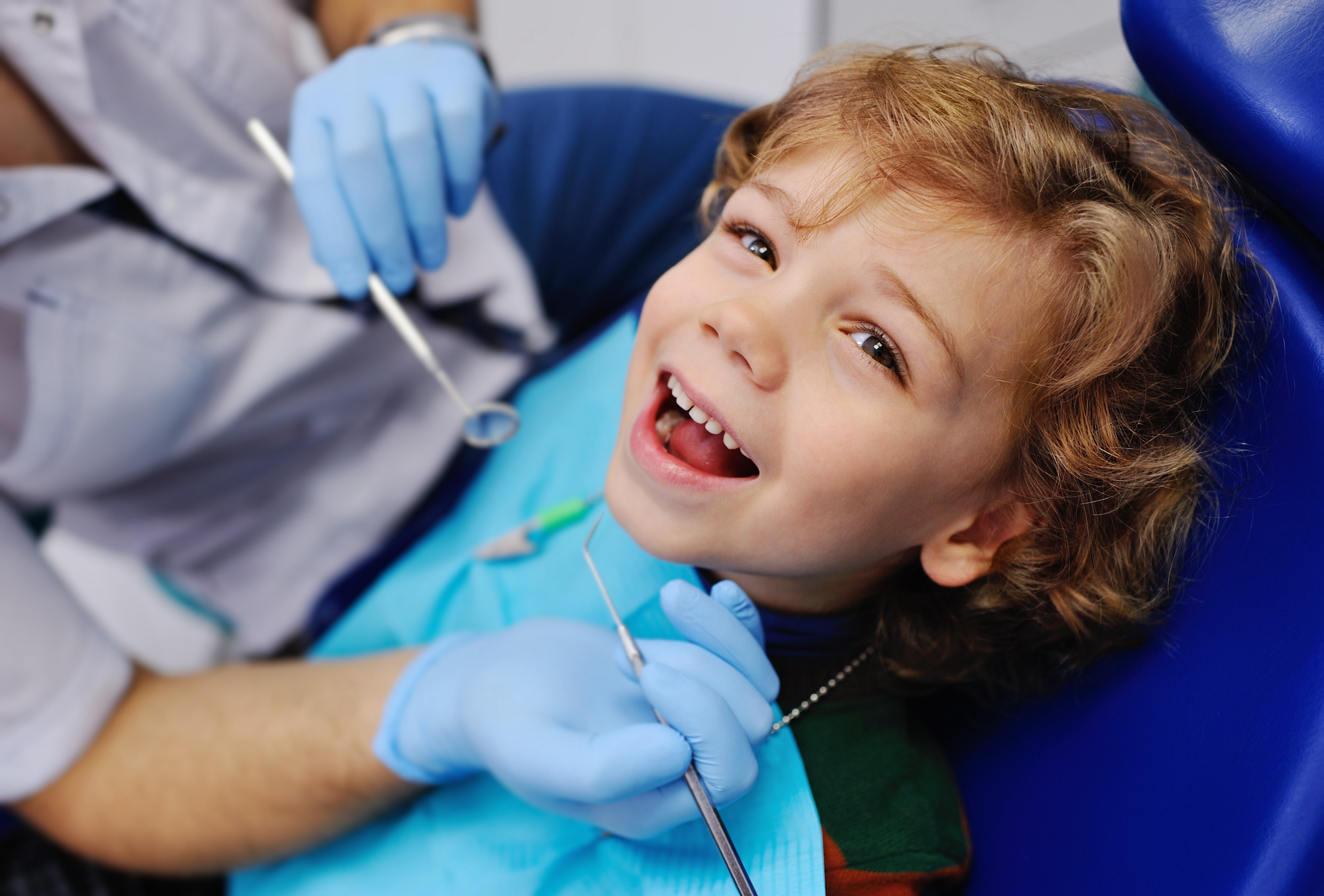
Watching your little one open wide for the very first dental visit is a milestone worth celebrating. Getting your child comfortable with dental care starts with their very first visit, and the earlier you start, the easier it becomes. A pediatric dental visit is an appointment designed specifically for infants, children, and teens. These visits focus on prevention, gentle exams, and age-appropriate education. The American Academy of Pediatric Dentistry recommends scheduling your child’s first dental visit by age 1 or within six months of their first tooth erupting. For Gurnee families looking into dental visits for kids, starting early sets the tone for years of confident smiles.
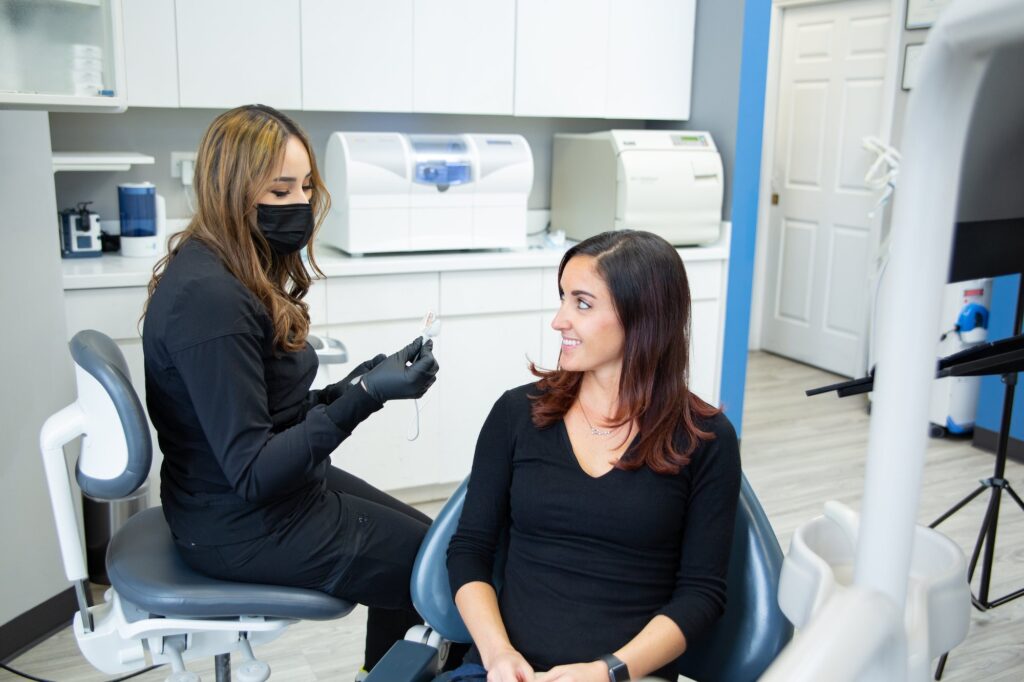
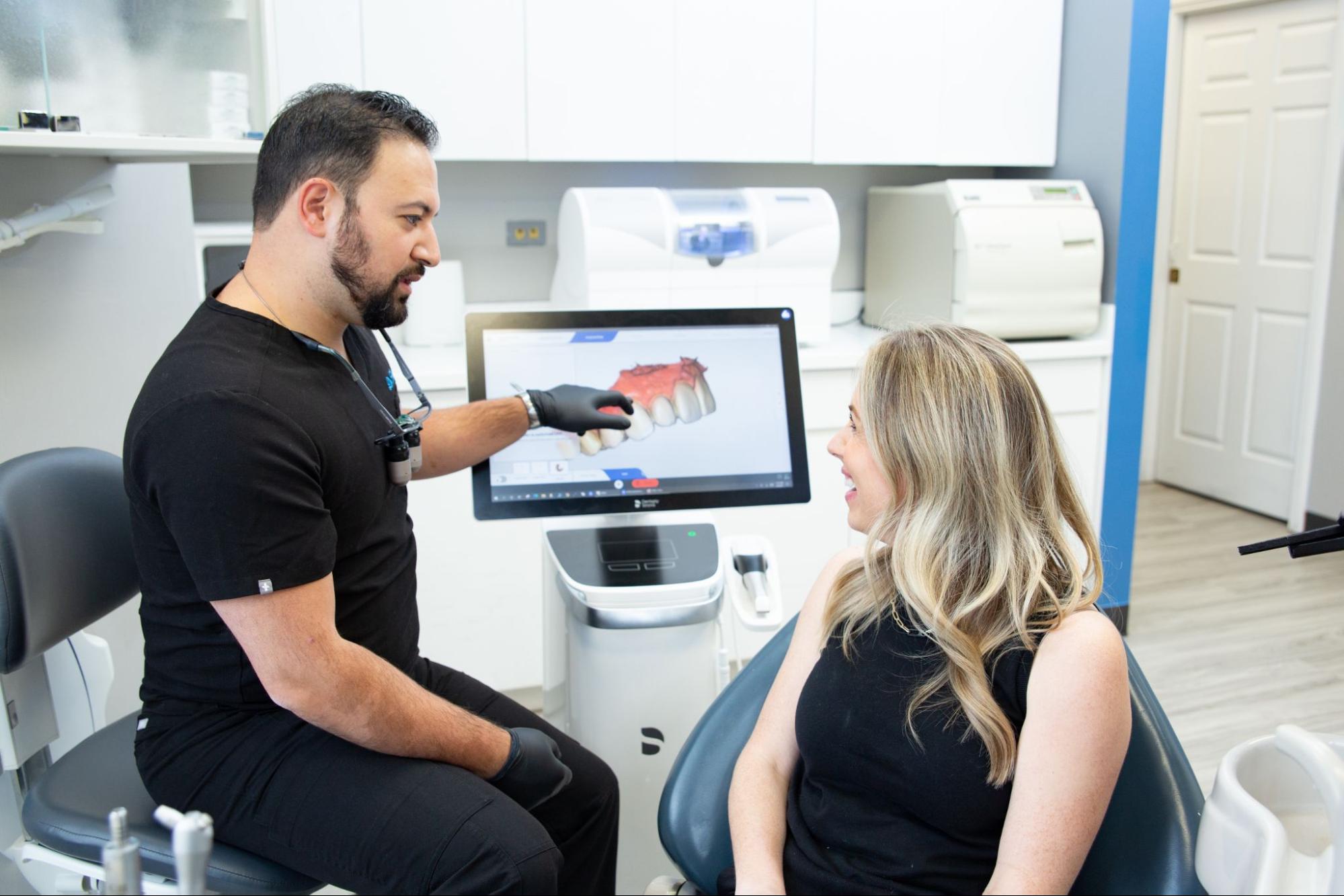
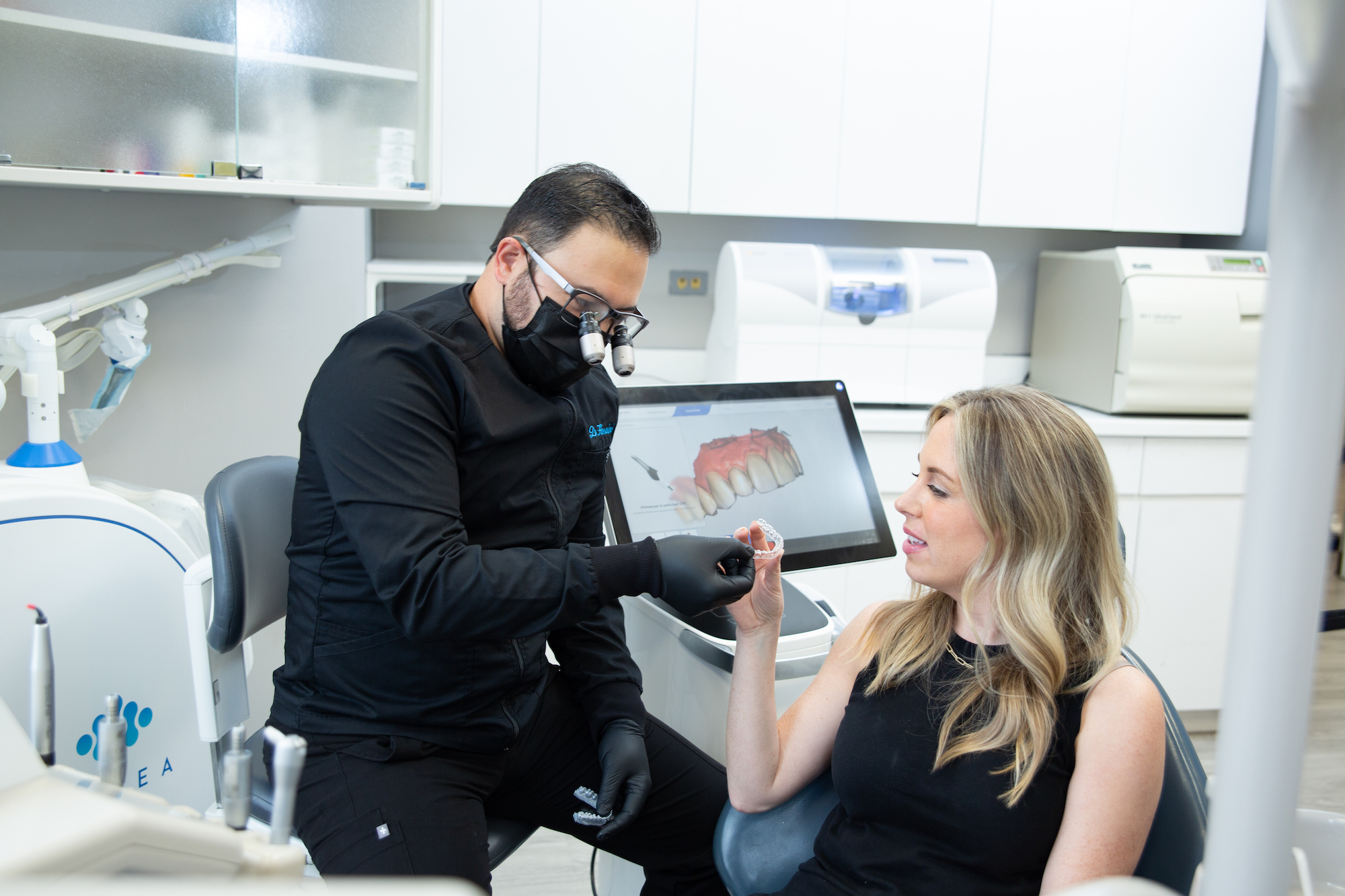
Unlike adult visits, pediatric visits move at a slower pace. The team uses smaller tools and a communication style that puts kids at ease. Parents stay involved throughout, receiving guidance on home care routines, diet choices, and healthy habits. At Ariata Dental, Dr. Arash Hosseini, DDS and his team create a warm, stress-free environment where families and children feel welcome from the moment they walk in. Dr. Hosseini brings years of chairside experience with little ones, helping ease first-time nerves for both kids and parents.
What Happens During a Child’s Dental Visit
A child’s dental visit typically includes a friendly introduction, a gentle exam of teeth and gums, a soft cleaning with child-sized tools, a quick fluoride application when appropriate, a bite and jaw check, low-dose imaging only if needed, and a parent consultation covering brushing, diet, and home habits. The whole visit is paced for comfort.
Your child’s visit begins before they even sit in the chair. The team takes time to introduce themselves, show your child around, and answer any questions in a relaxed setting.
Here’s what to expect during the visit:
- Warm welcome and introductions: The team greets your child by name and explains everything in simple, friendly terms.
- Age-appropriate exam: For infants, Dr. Hosseini often uses a knee-to-knee position with the parent. Older kids sit comfortably in the dental chair.
- Gentle cleaning and polishing: Using child-sized instruments, the team removes plaque and polishes teeth.
- Fluoride application: When appropriate, a quick fluoride treatment helps strengthen developing enamel.
- Bite and jaw assessment: Dr. Hosseini checks for alignment concerns, tongue ties, or lip ties that might affect speech or eating.
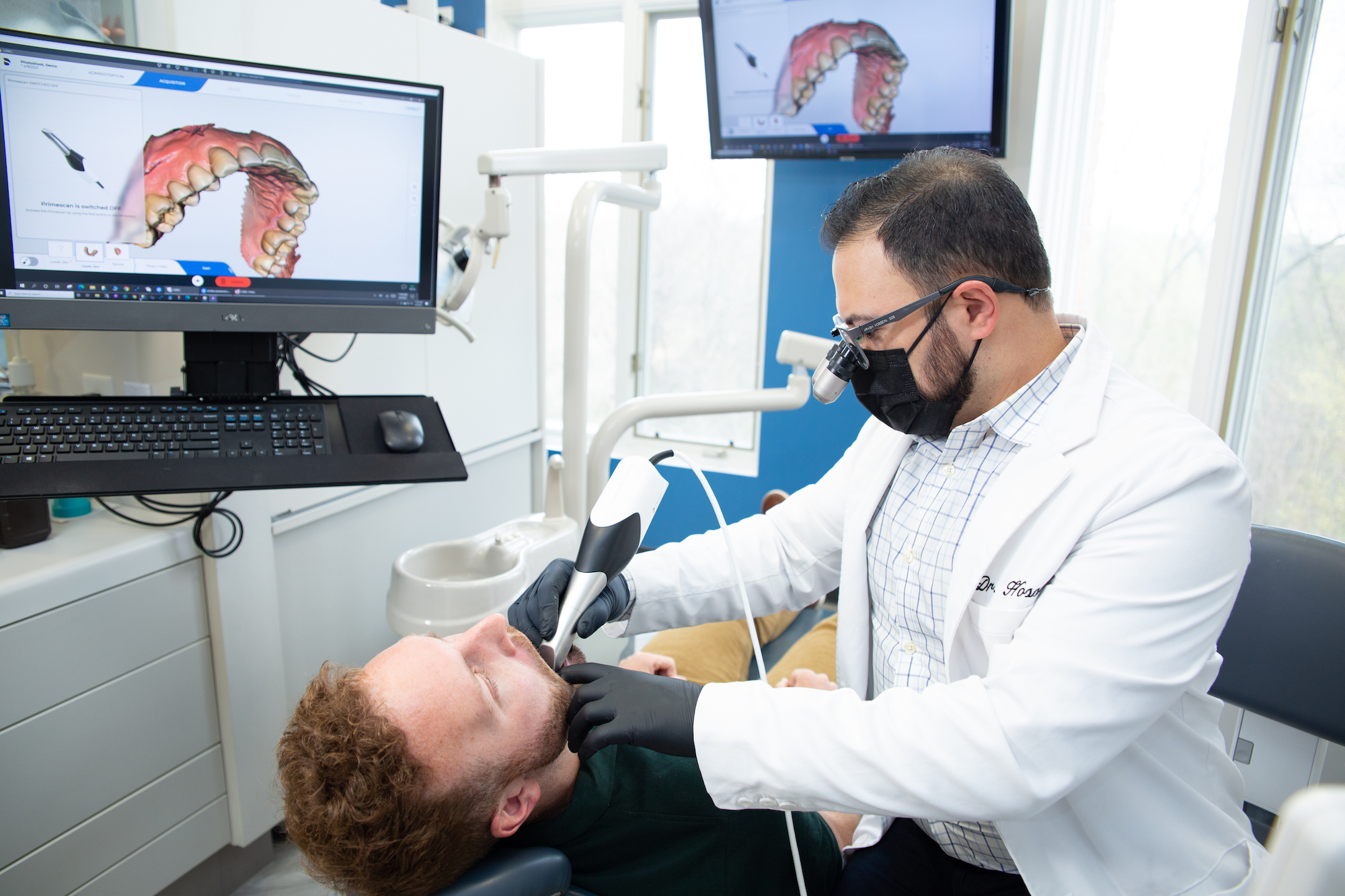
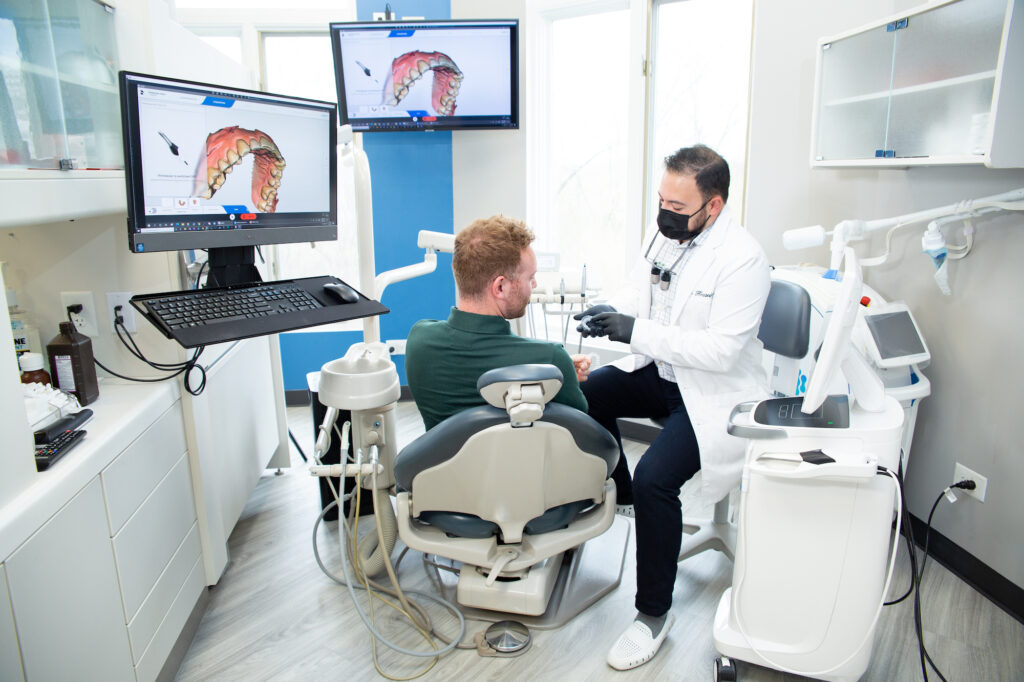
- Digital imaging: 3D dental imaging is only taken when clinically necessary, using low-dose technology.
- Parent consultation: You’ll receive personalized tips on brushing techniques, snack choices, and what to watch for at home.
The entire process is designed to feel like an adventure, not a chore. Tell-show-do is the approach: explaining what will happen, demonstrating with a mirror or model, then doing the actual exam.
Why Should Kids Start Dental Visits Early?
Early dental visits do more than check for cavities. They set the foundation for a lifetime of healthy smiles, and many Gurnee families find that the first few visits shape how their child feels about dental care forever.
Why Catch Problems Early?
Small cavities, alignment issues, and airway concerns are easier to address when spotted early. Dr. Hosseini can identify potential problems while they’re still simple to treat. Catching things early often means less time in the chair and a calmer experience for your child.
How Do Early Visits Build Positive Associations?
Kids who visit the dentist regularly tend to feel less anxious about dental care as they grow. Familiar faces and a comfortable routine make all the difference. Building that trust early often translates into teens and adults who don’t dread their cleanings.
Beyond easing anxiety, early visits help establish a dental home. Having a trusted practice means you know exactly where to turn for emergencies, questions, or routine care. Continuity matters. Children also learn proper brushing and flossing techniques during visits, and these skills tend to stick with them into adulthood.
Habits like thumb-sucking, pacifier use, and tongue thrusting can affect tooth development. Early intervention may help prevent bigger issues down the road. Preventive care can also reduce the need for more involved restorative treatment later by helping families catch concerns before they become painful or complex.
Pediatric Visits vs. Adult Dental Visits
| Factor | Pediatric Visits | Adult Visits |
|---|---|---|
| Visit Length | Shorter (15-30 minutes) to match attention spans | Longer (45-60 minutes) for thorough exams |
| Communication Style | Tell-show-do approach with simple language | Direct clinical explanations |
| Instruments | Smaller, child-sized tools | Standard adult equipment |
| Imaging | Minimized; low-dose 3D dental imaging only when needed | More frequent imaging for full assessment |
| Primary Focus | Prevention and habit formation | Prevention plus restoration |
| Parent Role | Active involvement throughout | Self-managed care |
The biggest difference? Pace. Kids need time to adjust, ask questions, and feel comfortable. Rushing creates anxiety. A slower, playful approach builds trust that lasts for years.
What Affects the Cost of Children’s Dental Visits
Costs vary based on the type of visit, imaging needs, and added preventive treatments. Routine checkups are typically the most affordable, while treatment visits and specialty referrals can add up. Insurance coverage plays a major role too.
Here’s what shapes the bottom line:
- Type of visit: Routine cleanings cost less than treatment visits for cavities or other concerns.
- Imaging: Digital 3D dental imaging adds to the cost but is only recommended when clinically necessary.
- Preventive treatments: Fluoride applications and dental sealants provide extra protection at an added cost.
- Insurance coverage: Most dental plans include pediatric benefits. Many cover cleanings and exams at no out-of-pocket cost.
- Specialty referrals: Orthodontic evaluations or surgical consultations may involve separate fees.
- Payment options: Practices like Ariata Dental offer payment options for families without insurance.
No insurance? No problem! Ask about payment options that make regular visits affordable for your family. You can also use our insurance checker before your appointment to better understand your benefits.
When Should Your Child Start Seeing the Dentist?
Children should have their first dental visit by age 1 or within six months of their first tooth appearing. This early visit establishes a baseline for your child’s oral health and gives parents practical guidance on caring for new teeth. After the initial visit, plan on checkups every six months to keep your child’s smile on track.
Schedule sooner if you notice:
- White spots or brown stains on teeth
- Complaints of tooth pain or sensitivity
- Trauma from a fall or injury
- Difficulty eating or nursing
- Prolonged thumb-sucking or pacifier use past age 3
Special evaluations to consider:
- Lip or tongue tie assessment for infants having trouble feeding
- Pre-orthodontic screening around age 7 to check jaw development and spacing
Early visits aren’t about finding problems. They’re about building a relationship with your child’s dental team and preventing issues before they start.
Frequently Asked Questions
How do I prepare my child for their first dental visit?
Keep it simple and positive. Read books about going to the dentist, play pretend visits at home, and avoid words like “hurt” or “shot.” Let your child know they’ll meet friendly people who want to count their teeth and make their smile sparkle. Your calm attitude helps them feel safe.
Will my child need 3D dental imaging at their first visit?
Not always. Dr. Hosseini only recommends 3D dental imaging when there’s a clinical reason, such as checking for hidden cavities or evaluating jaw development. Digital imaging uses very low radiation and takes seconds. For many first visits, a visual exam is enough.
What if my child is scared or refuses to open their mouth?
This happens more often than you’d think. The team takes a gentle, patient approach. Sometimes the first visit is simply about getting comfortable in the chair and meeting everyone. Building trust comes first.
How often do baby teeth need checkups if they fall out anyway?
Baby teeth matter more than parents realize. They hold space for permanent teeth, help with speech, and allow proper chewing. Cavities in baby teeth can cause pain, infection, and damage the permanent teeth developing underneath. Every six months keeps everything healthy.
Are dental sealants safe and worth it for kids?
Yes to both. Sealants are thin protective coatings applied to the chewing surfaces of back teeth. The process is quick, comfortable, and does not require drilling. They’re especially helpful for kids who struggle with thorough brushing, and many Gurnee families ask about them at routine visits.
What should I do in a pediatric dental emergency?
Call your dental office right away. For a knocked-out permanent tooth, place it in milk and get to the dentist as quickly as possible. For severe pain or swelling, over-the-counter pain relievers and a cold compress can help until you’re seen. If your child needs urgent support, contact Ariata Dental through our emergency dentistry page or call the office directly.
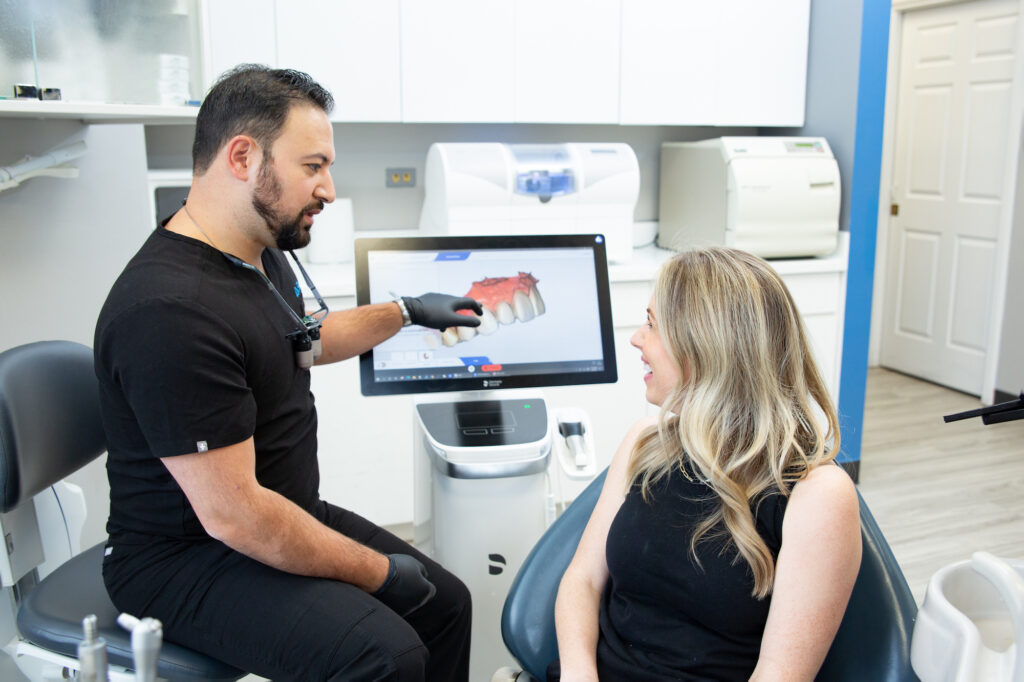
Want to learn more about dental visits for kids? Dr. Arash Hosseini, DDS and the team at Ariata Dental in Gurnee, IL welcome families and children of all ages. With high-tech tools like the Solea dental laser and a comfortable approach to every visit, we make dental care stress-free for kids and parents alike, and we’re here to make you smile.
To continue learning, visit our Gurnee Dentist, Dentist in Gurnee, Dental Services, New Patients, Book an Appointment, and Contact Us pages.