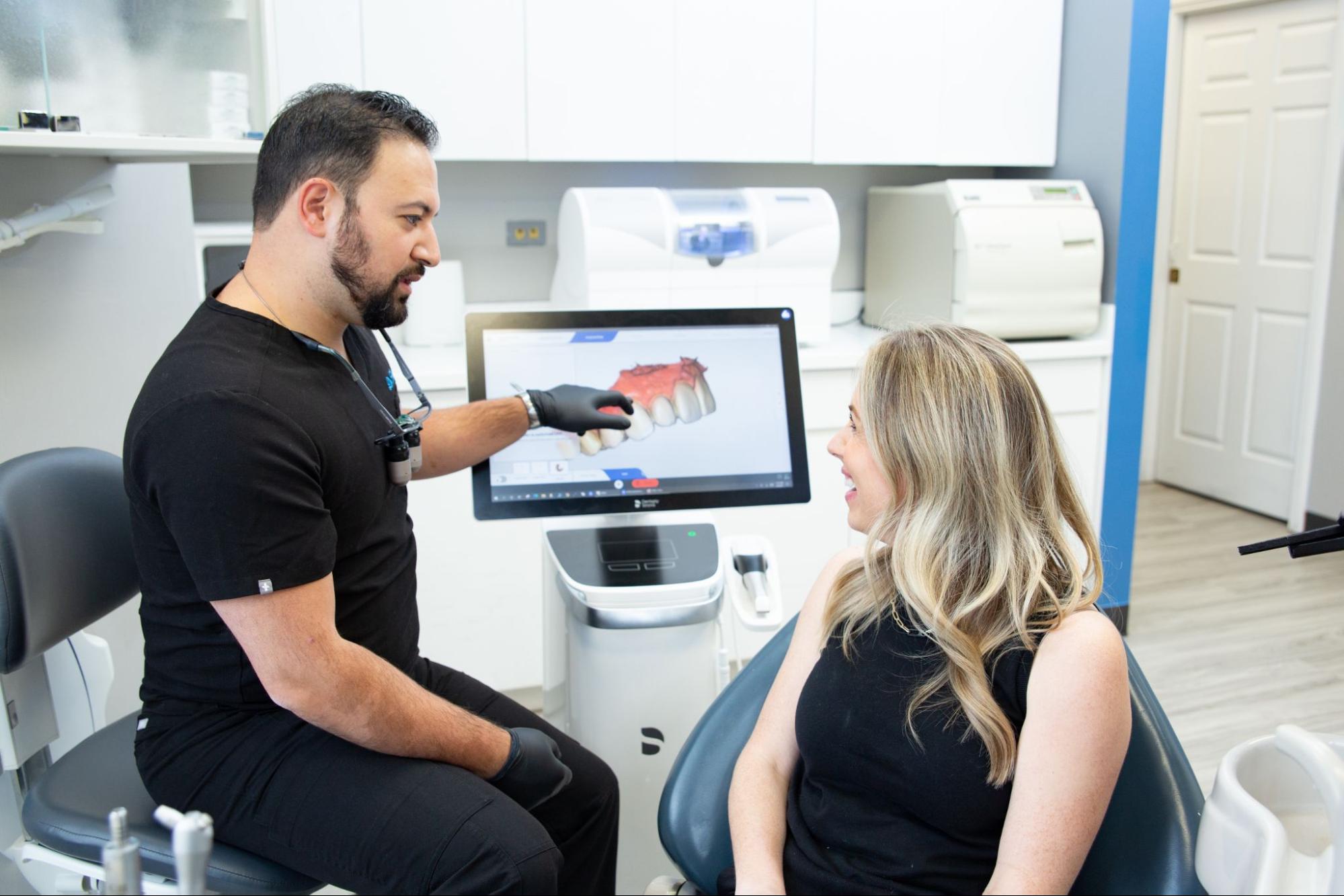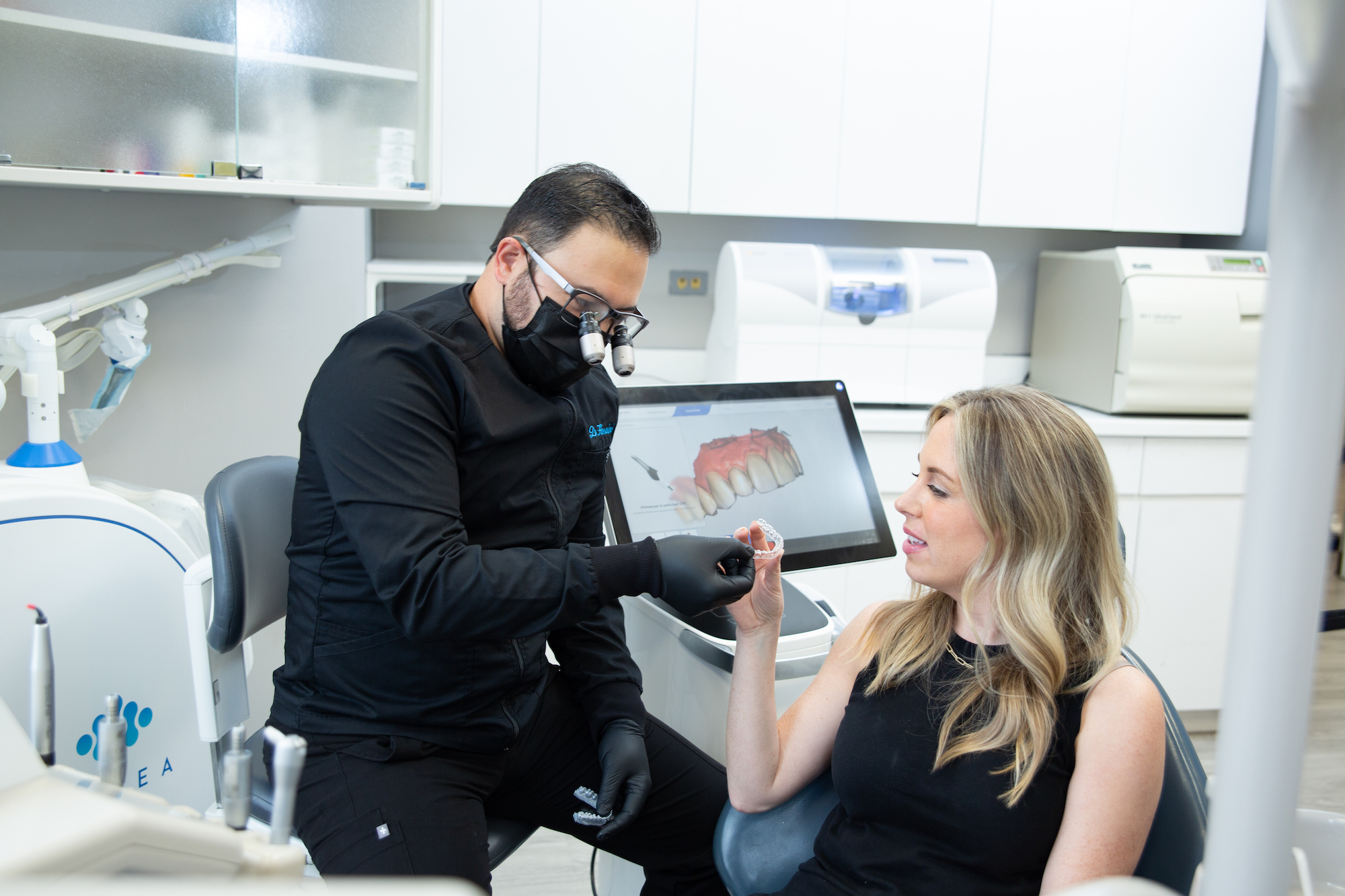
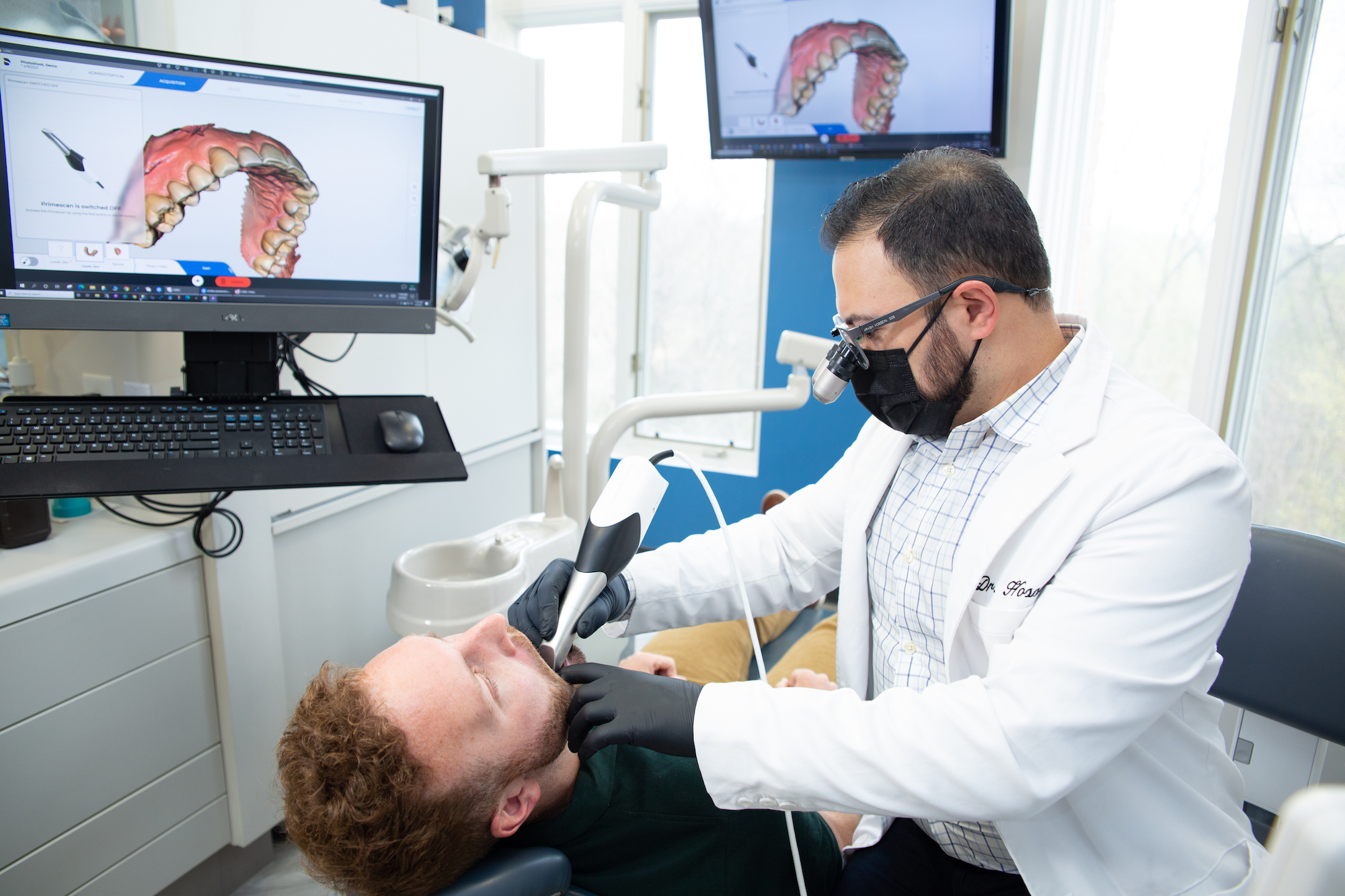
A routine dental cleaning and exam is a preventive visit where a hygienist removes plaque and tartar, polishes your teeth, and the dentist checks for cavities, gum disease, and other concerns. If you’ve been putting off your visit because you’re not quite sure what to expect, you’re not alone. Knowing each step ahead of time can turn a stressful appointment into a straightforward one.
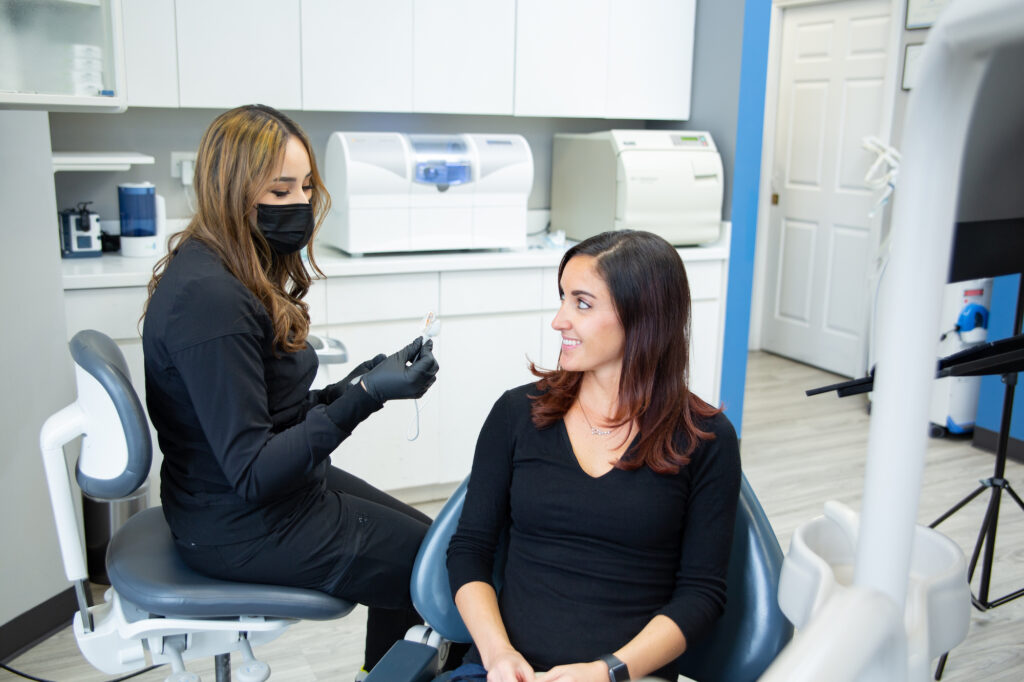
Introduction: Why Regular Cleanings Matter
Plenty of adults feel a little nervous before a dental visit. Often, it’s not the cleaning itself, it’s the mystery of what’s about to happen.
Regular cleanings prevent cavities, gum disease, and the kind of small problems that turn into big ones. Catching a tiny cavity today is much easier than treating a root canal next year.
Think of preventive care as the simpler, lower-stress option. Restorative work typically takes more time and more recovery. This guide walks you through every step of a dental cleaning and exam so you can walk in feeling prepared and walk out feeling confident.
Before Your Appointment: How to Prepare and What to Expect at Check-In
A little prep goes a long way. Here’s a quick checklist to help you feel ready:
- Brush and floss beforehand, but skip a heavy meal right before your visit
- Bring your insurance card, a photo ID, and any updates to your medical history
- Arrive 10 to 15 minutes early to fill out paperwork
- Let the front desk know if you feel anxious, so the team can adjust the pace
Once you’re checked in, a hygienist will bring you back, get you settled in the chair, and confirm any changes to your health since your last visit. Certain medications and conditions can affect your care, so accurate information matters.
Step 1: The Initial Oral Exam by Your Hygienist
Before any cleaning begins, your hygienist takes a close look at your mouth. Using a small mirror, they check your teeth, gums, tongue, and cheeks for anything that stands out.
Here’s what they’re looking for:
- Visible plaque and hardened tartar
- Gum inflammation, redness, or swelling
- Signs of gum recession or sensitivity
- Any cracked, chipped, or worn teeth
They may also perform periodontal charting, which involves measuring the small pockets between your teeth and gums. Deeper pockets can signal early gum disease. If anything looks unusual, your hygienist flags it for the dentist to review during the exam portion of your visit.
Step 2: Removing Plaque and Tartar (Scaling)
Scaling is the removal of hardened plaque and tartar from your teeth using specialized dental tools. This is the part of your dental cleaning where your hygienist gets rid of buildup that brushing and flossing at home can’t reach.
Two tools are typically used:
- A manual scaler, which gently scrapes tartar off tooth surfaces and along the gumline
- An ultrasonic scaler, which uses high-frequency vibrations and a small water spray to break up tougher deposits
You may hear scraping sounds or a high-pitched hum. Pressure and vibration are normal. Discomfort is not. If anything feels sharp or sore, tell your hygienist right away. They can adjust their technique or offer a numbing gel.
Here’s the thing: once tartar hardens, only professional tools can remove it. No amount of home brushing will do the job.
Step 3: Professional Polishing
Polishing is the process of buffing your teeth with a gritty paste to smooth enamel and lift away surface stains. Your hygienist uses a small rotating rubber cup and a slightly abrasive toothpaste to finish the job.
Most offices offer a choice of flavors like mint, bubblegum, or cinnamon. The sensation is a light tickle or vibration, closer to a tiny massage than anything uncomfortable.
When it’s done, your teeth feel noticeably smoother and often look a shade brighter.
Step 4: Expert Flossing
Even after scaling and polishing, flossing is important. Your hygienist flosses between every tooth to lift out polish residue and any lingering debris.
This step also gives your hygienist a chance to spot areas you may be missing at home. If your gums bleed a little, don’t panic. Slight bleeding is common when flossing isn’t part of your daily routine, and it usually improves within a week or two of consistent flossing.
This is also a great time to ask for a quick demonstration. A one-minute lesson can change your entire home care routine.
Step 5: Fluoride Treatment
The cleaning wraps up with an optional fluoride treatment. Fluoride strengthens enamel and helps protect your teeth against cavities for several months.
It comes as a gel, foam, or varnish, in flavors like mint, berry, or bubblegum. Application takes just a minute or two.
One small note: avoid eating or drinking for about 30 minutes afterward, so the fluoride has time to fully absorb.
The Dental Exam: What Your Dentist Looks For
A cleaning and an exam are two different things. The cleaning is done by your hygienist. The exam is when the dentist steps in.
During the exam, the dentist reviews your hygienist’s notes, looks at any X-rays taken that day, and checks for:
- Cavities, both new and forming
- Cracked teeth or worn fillings
- Bite alignment issues
- Signs of gum disease or infection
- Any changes since your last visit
Afterward, the dentist will talk through anything they found, answer your questions, and recommend follow-up treatments if needed. This is your moment to ask about that sensitive spot, a chipped tooth, or anything else on your mind.
X-Rays: When and Why They’re Taken
You won’t need X-rays at every visit. The frequency depends on your age, oral health history, and risk factors.
General guidelines look like this:
- Bitewing X-rays: usually once a year to check between the teeth
- Full-mouth or panoramic X-rays: every three to five years
- More frequent imaging if you’re being monitored for a specific issue
Modern digital X-rays use very low radiation doses and produce instant images. They can reveal cavities between teeth, bone loss, impacted teeth, and other issues that aren’t visible during a visual exam. If you have questions about whether X-rays are needed, just ask.
Oral Cancer Screening
An oral cancer screening is a standard part of every routine exam, even if you never think to ask for one.
Your dentist visually inspects your lips, tongue, cheeks, throat, and roof of your mouth. They also gently feel your neck and jaw for unusual lumps or swollen lymph nodes.
It takes only a minute or two, but it can catch oral cancer early, when it’s most treatable. That short check is one of the most valuable parts of your visit.
Does It Hurt? Tips for Nervous Patients
A routine cleaning shouldn’t hurt. Mild pressure, vibration, and cool water are normal. Sharp pain is not.
Some patients feel more sensitivity than others, especially if they have gum inflammation, exposed roots, or haven’t had a cleaning in a while. If anything is uncomfortable, speak up. Your hygienist can slow down, adjust the tools, or apply a numbing gel.
A few tips that help nervous patients relax:
- Practice slow, deep breathing during the cleaning
- Bring headphones and listen to music or a podcast
- Hold a stress ball or small object in your hands
- Ask about numbing gel, nitrous oxide, or scheduled breaks
A good dental team wants you to feel comfortable, so don’t be shy about asking for what you need.
How Long Will the Appointment Take?
Most routine dental cleaning and exam appointments take about 45 to 60 minutes from start to finish.
A few situations can add time:
- New patient visits often run 60 to 90 minutes because of extra paperwork and X-rays
- Deep cleanings (scaling and root planing) take longer and are often split into two visits
- Follow-up conversations about treatment options or scheduling can add a few minutes
If you have questions or want to plan next steps before you leave, give yourself a buffer.
After Your Cleaning: Next Steps and Home Care
Once your appointment ends, a little aftercare goes a long way.
Here’s what to keep in mind:
- Avoid eating or drinking for 30 minutes if fluoride was applied
- Mild gum tenderness is normal for a day; a warm salt water rinse helps
- Brush twice a day, floss once, and consider an antibacterial mouthwash
- Schedule any recommended follow-up treatments before you leave the office
Staying consistent at home makes your next cleaning even smoother.
How Often Should You Schedule a Cleaning?
Most adults benefit from a dental cleaning and exam every six months. That timing is based on how quickly plaque hardens into tartar and how often small problems can appear.
Some patients need more frequent visits, usually every three to four months, if they:
- Have gum disease or a history of periodontal issues
- Smoke or use tobacco
- Have diabetes or another condition that affects gum health
- Are prone to cavities or heavy tartar buildup
Consistent visits help catch problems early. Many dental insurance plans cover two preventive cleanings per year, which makes it easy to stay on schedule.
Conclusion: Making Cleanings Part of Your Health Routine
A dental cleaning and exam is a straightforward, mostly painless preventive visit. Knowing what happens at each step takes away the mystery and helps you feel in control from the moment you sit down in the chair.
Regular visits do more than protect your smile. Healthy gums and teeth are connected to your overall health, from heart health to how well you sleep at night.
Ready to get back on track? Schedule your next dental cleaning and exam with a trusted local dental team and give your smile the care it deserves.